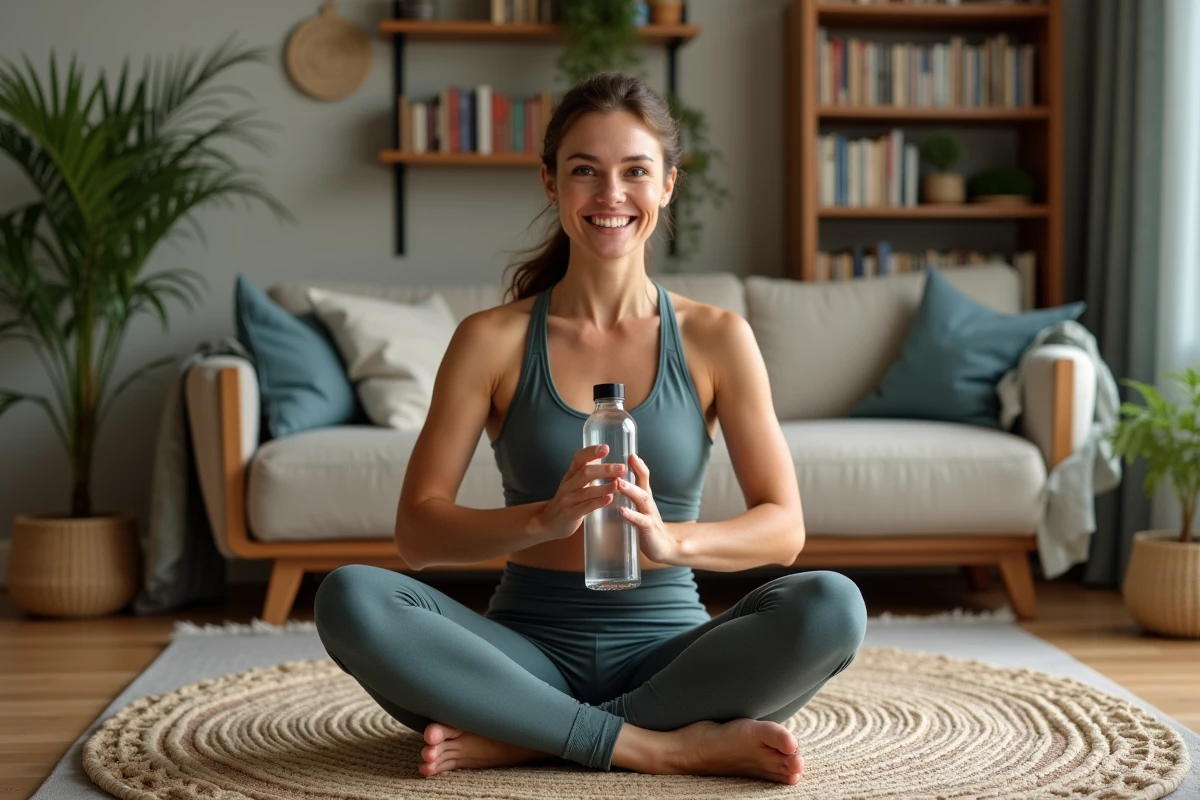
The frequency of chronic diseases related to lifestyle has doubled over the past twenty years, despite the increase in official recommendations. Yet, some validated practices remain largely underused, sometimes due to persistent beliefs or contradictory advice.
The most effective adjustments often require neither radical upheaval nor significant investment. They rely on daily gestures, simple dietary choices, and routines accessible to everyone.
Why well-being relies on the balance between body and mind
Feeling good is not limited to the absence of symptoms or a reassuring medical visit. Well-being is part of this concrete quest for a balanced life, where the physical and mental nourish each other. Taking care of mental health transforms the way each day is experienced: regular, deep sleep makes mornings lighter, fatigue less burdensome, and mood less volatile. Warning signs can appear unexpectedly: persistent exhaustion, clingy irritability, diminishing pleasure in leisure activities, or dwindling social relationships.
To alleviate stress, several levers are available to us. Among them: conscious breathing, meditation sessions, leisure activities that cut short tension, or simply taking a break away from screens. Taking the time to breathe deeply, to welcome a few minutes of silence, eases pressure and builds a protective barrier for mental health. Social relationships should not be overlooked: connecting with loved ones, sharing a moment, even briefly, helps stabilize our emotions.
Recharging in a natural environment adds a soothing dimension. A walk in the woods, a detour through the park, just a few minutes are enough to calm the mind. Studies are clear: nature reduces anxiety levels, improves concentration, and promotes better quality sleep.
To delve deeper into these tips, santeetforme.fr gathers reliable and up-to-date resources. Experimenting daily with this subtle balance between self-listening and openness to others anchors a lifestyle where one progresses, aligned, step by step.
What habits to adopt daily for a healthier life?
Establishing new habits does not require a major upheaval. The difference lies in the regularity of simple actions. Physical activity, for example, has a direct and measurable impact: walking 15 minutes each day increases life expectancy by two years; an hour daily extends it by up to four and a half years.
- Walking 15 minutes a day is enough to increase life expectancy by 2 years.
- An hour daily raises this figure to 4.5 years.
Regular practice, even at moderate intensity, reduces cardiovascular mortality by up to 40% within three years. After a heart attack or cancer, these simple gestures significantly lower the risks of relapse.
Diet is equally decisive. Focusing on fruits, vegetables, fibers, quality proteins, and omega-3s: these are the pillars of a protective plate. Local products, often richer in nutrients, deserve to be prioritized. Conversely, ultra-processed foods, which are too sugary or too fatty, rarely come without consequences. Hydration also plays a key role: between 1.5 and 2 liters of water per day to support every cell and slow down premature aging.
Regular sleep has a domino effect: it strengthens the immune system, wards off obesity and diabetes, boosts energy, and sharpens concentration. Among the winning routines: stretching, deep breathing, meditation, daily exposure to natural light. The latter promotes the production of vitamin D, essential for bone strength.
Finally, vigilance is required regarding tobacco and alcohol, recognized causes of cancers and chronic diseases. Staying active, even in small ways: a few extra steps, taking the stairs instead of the elevator, biking. Every initiative counts, every choice shapes a more dynamic daily life.

Concrete tips to sustainably transform your routine
To change habits, there’s no need for grand promises: it’s the repetition of small decisions that shapes the difference. Setting aside time for physical activity, even short, allows you to stick to it. The WHO sets the goal: 150 minutes per week of moderate effort. The important thing is consistency, not performance. Don’t hesitate to vary the pleasures: walking, cycling, swimming… The essential thing is to move, regularly.
Hydrating your body is anything but trivial. With 1.5 to 2 liters of water per day, you help each organ function at its best and limit the onset of many pathologies. Favor water, opt for unsweetened herbal teas, and set aside sodas and other sugary drinks.
Learning to manage stress also protects your sleep, concentration, and mental health. A few minutes of deep breathing or meditation, daily exposure to natural light: these simple actions facilitate the production of vitamin D, essential for muscle and bone health.
Monitoring tobacco and alcohol consumption is a true act of prevention. If needed, consulting a doctor allows for support in quitting or reducing, with solutions tailored to your journey.
Integrating these gestures over the days is already starting the change. Choosing a healthier life means aligning your actions with your deep needs: progressing gradually, without unnecessary pressure, with a kindness that is never superfluous. It is these repeated choices that write the next chapter of your vitality.