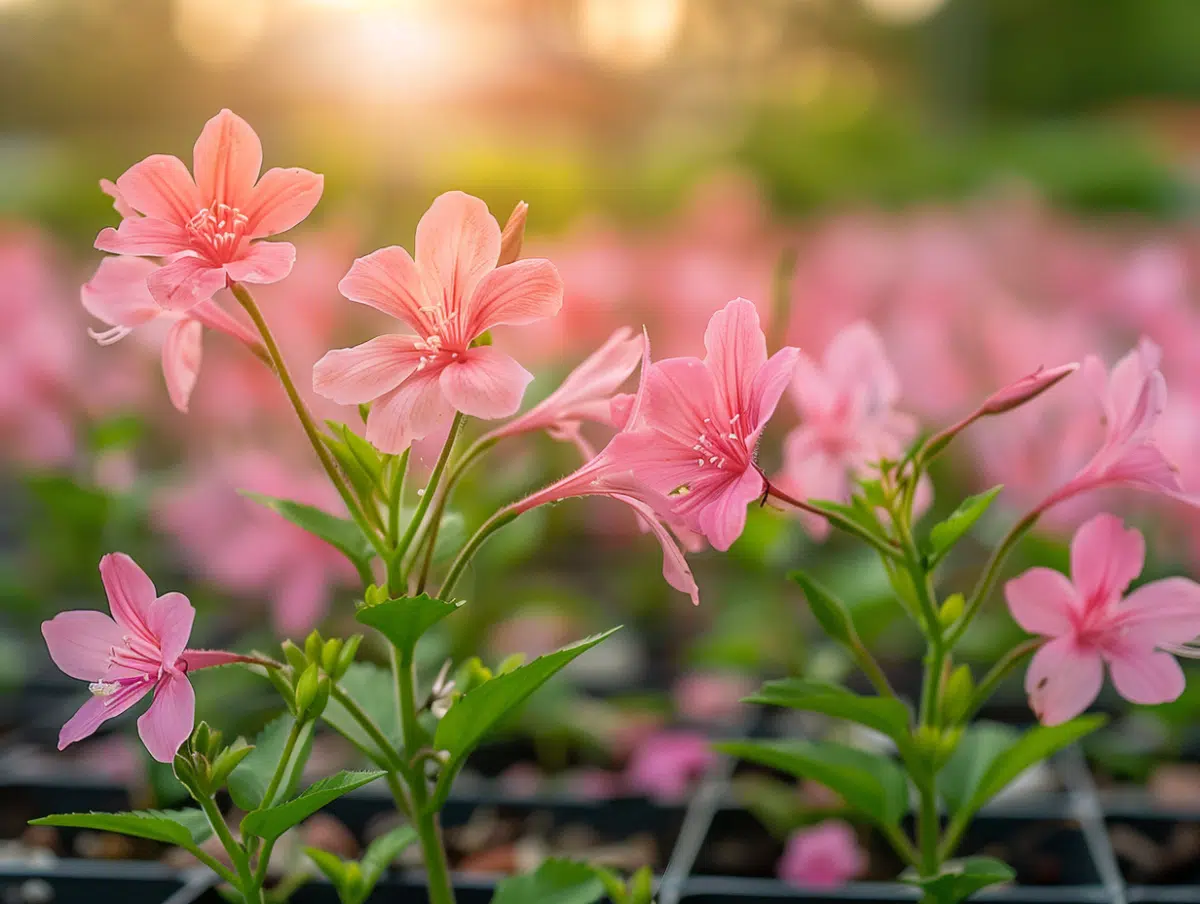
Cutting, this age-old horticultural technique, stands as a pillar for gardeners eager to multiply their favorite plants. Focusing particularly on Gaura, an ornamental plant prized for its graceful and long-lasting blooms, mastering the art of cutting can prove to be as economical as it is ecological. While this specimen boasts slender stems and delicate flowers, resembling fluttering butterflies, its successful propagation requires an understanding of optimal growth conditions and precise steps to follow. Discovering these secrets offers the opportunity to fill your garden with this beauty without having to purchase new plants.
Mastering Gaura Cutting: Key Techniques and Times
Cutting Gaura Lindheimeri, this beloved perennial known for its light white and pink flowers, resembles a precision exercise. Cutting, this method of vegetative propagation, allows for the creation of new specimens from the stems of the mother plant. To succeed, choose healthy, non-woody floral stems. Cut them into sections of 10 to 15 centimeters, ensuring to keep several nodes where future roots will form. Rooting the cuttings ideally takes place in spring or summer, periods when the plant is in full growth.
The necessary materials for propagation include a clean, sharp pruner, a light and well-draining substrate, and suitable containers. After cutting, dip the bottom of the cuttings in rooting hormone before planting them in the substrate. Humidity is a crucial factor: maintain a stable environment without saturating the soil with water, as rot threatens the fragile young roots. Cover the cuttings with a transparent plastic bag to create a mini-greenhouse, and be sure to ventilate regularly to prevent mold from developing.
Experienced gardeners follow a well-established sequence of actions for valued vegetative propagation. Patience and observation are essential, as Gaura cuttings can sometimes take several weeks to develop a robust root system. During this waiting period, avoid direct sunlight exposure that could dry out the cuttings. Ultimately, vigilance and adherence to the steps are the guarantees of a successful transition from cutting to a self-sufficient plant, ready to thrive and adorn gardens and terraces with its airy blooms.
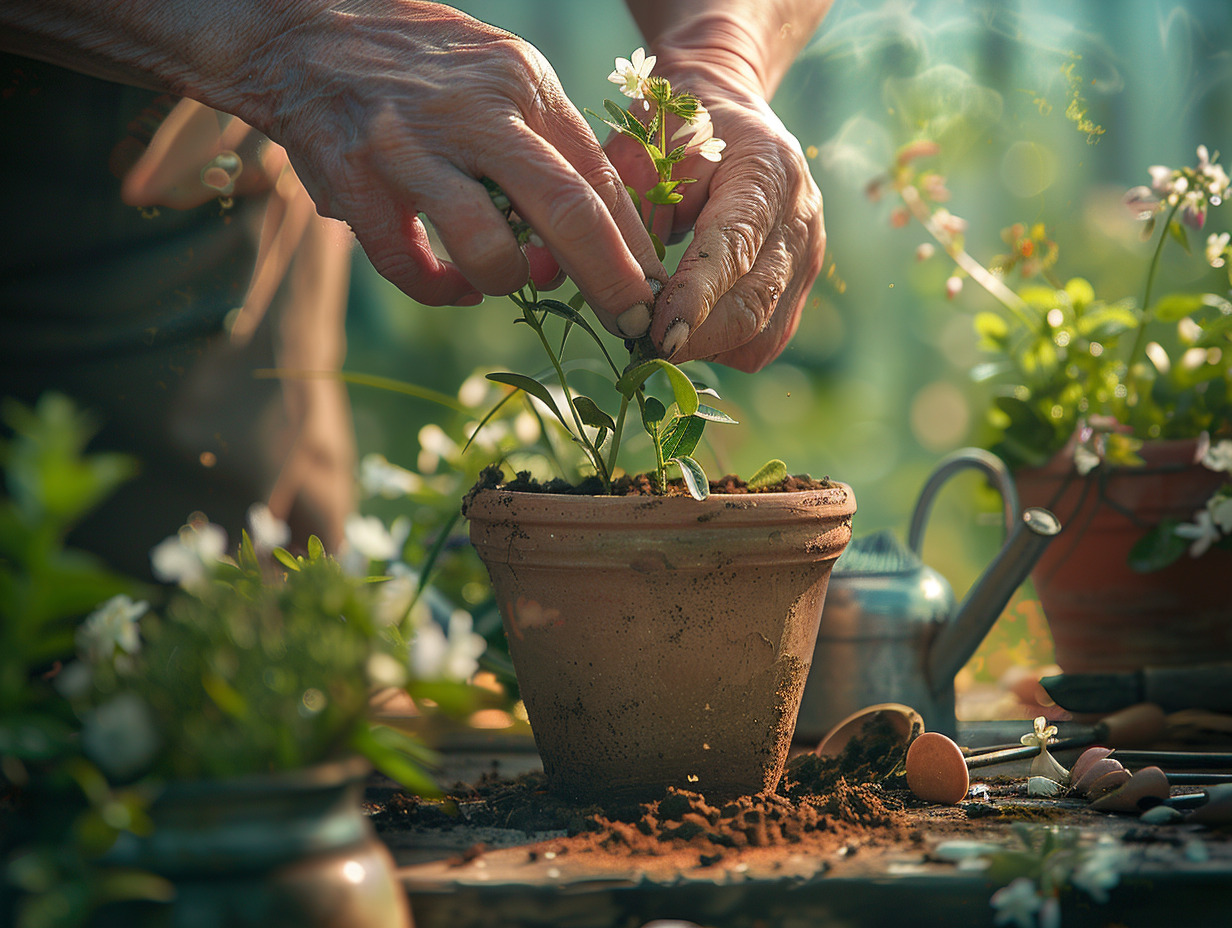
Post-Cutting Care: Ensuring Growth and Blooming of Gauras
Once the Gaura cuttings are firmly rooted, meticulous follow-up is required to ensure healthy and vigorous growth. Ensure a smooth transition to more permanent growing conditions by gradually increasing light exposure and decreasing humidity levels. Young Gaura Lindheimeri plants require special attention: controlled watering to avoid excess water that could lead to root rot, as well as nutrient supply appropriate to their stage of development.
Maintaining optimal growing conditions is essential for future blooming. Gaura Lindheimeri, with its characteristic white and pink flowers, needs well-drained soil, sunny exposure, and enough space to thrive. To stimulate blooming, practice regular pruning by removing faded flowers, which encourages the production of new ones. Also check the foliage: yellowing or falling leaves are often a sign of an imbalance that needs to be identified and corrected promptly.
In terms of long-term maintenance, end-of-season pruning is crucial for preserving the vigor of the gauras. A light cut before winter helps aerate the plant and prevent disease. Experienced gardeners know that the key to abundant blooming lies in anticipating and adapting to the changing needs of gauras as they grow. Successfully completing these steps solidifies the plant’s life cycle, preparing it for a new growing season and a renewed floral display year after year.