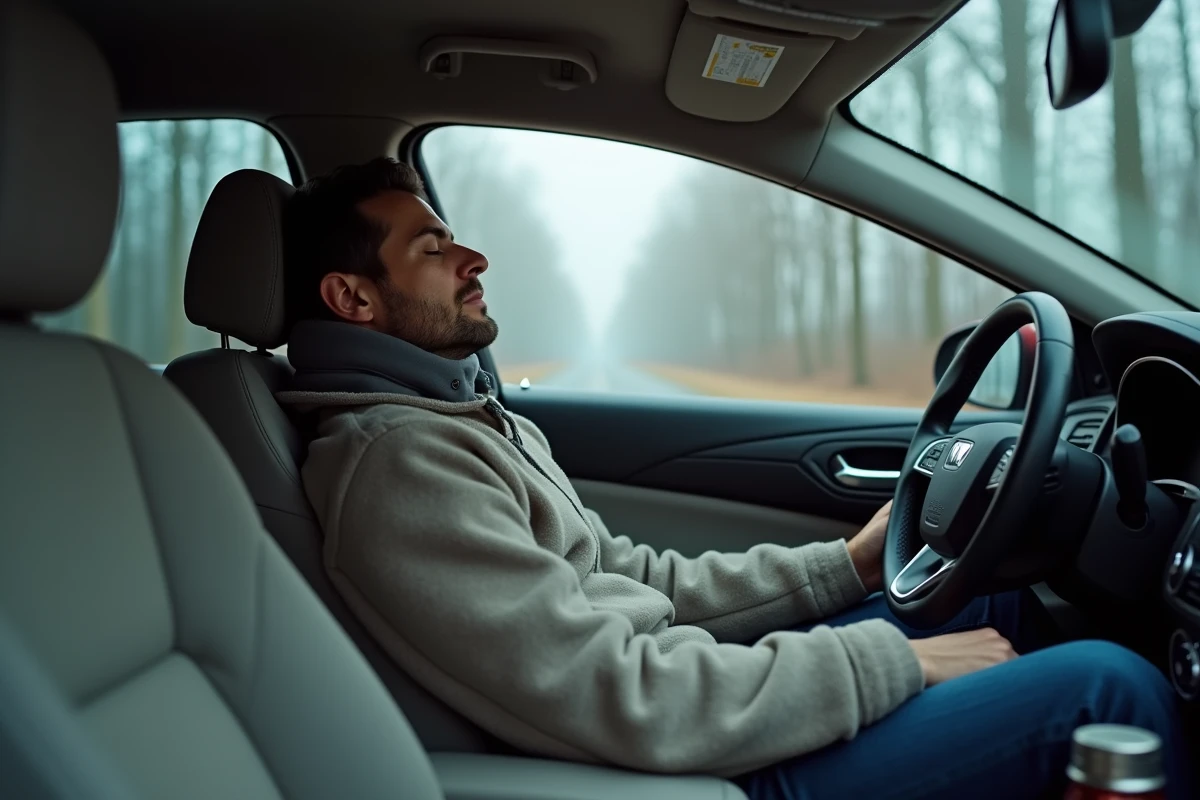
You return from a long day of driving in Wallonia or along the Belgian coast, fatigue sets in, and the idea of parking to close your eyes for a few hours seems logical. Sleeping in your car in Belgium is not prohibited by the federal traffic code. No national text forbids stopping and resting in your vehicle. However, the reality on the ground is much more nuanced than this general principle.
Safety Rest and Camping on Public Roads: The Distinction That Changes Everything
Belgian law does not treat a tired driver who stops for a nap the same way as a traveler who sets up for the night with an awning, folding table, and stove. This distinction between safety rest and camping on public roads is at the heart of the regulations.
Stopping in a parking lot or rest area to sleep for a few hours, with doors closed and without deploying any equipment outside the vehicle, falls under rest. You remain within the framework of authorized parking. Regional and federal authorities have gradually clarified this point between 2023 and 2024, particularly in ministerial responses and road safety FAQs.
As soon as you take out a chair, open a hatchback to create an outdoor living space, or park for several nights in the same spot, you shift into camping. And wild camping is prohibited in Belgium, except for very regulated exceptions. If you want to know precisely where to sleep in your car in Belgium, this boundary between rest and camping conditions everything else.
Municipal Regulations in Belgium: Rules Varying from One Municipality to Another
The federal framework establishes a permissive principle, but it is the municipalities that set local rules. And some have significantly tightened their provisions in recent years.
Coastal and Tourist Municipalities: The Most Restrictive
Several municipalities along the Belgian coast and tourist areas in the Ardennes have adopted police regulations prohibiting overnight stays in vehicles on public roads. These decrees provide for administrative fines even when the vehicle is parked correctly and no camping equipment is visible outside.
These restrictions are often reinforced during the high season by temporary decrees. A free parking spot by the sea or near a hiking trail in Wallonia may be perfectly legal for sleeping in March but prohibited in July.
How to Check Before Settling Down
Before choosing a place for the night, consult the police regulations of the relevant municipality. Most are available online on the municipal administration’s website. You can also call the local police directly to ask the question: the response is often quick and clear.
- Check the signage in the parking lot (no overnight parking signs, limited hours, restrictions for motorhomes or camper vans)
- Consult the municipality’s website or its general police regulations, often available in PDF
- Prefer official parking areas over residential zone parking lots, where residents are more likely to report vehicles
Police Checks on Parking Lots and Rest Areas in Belgium
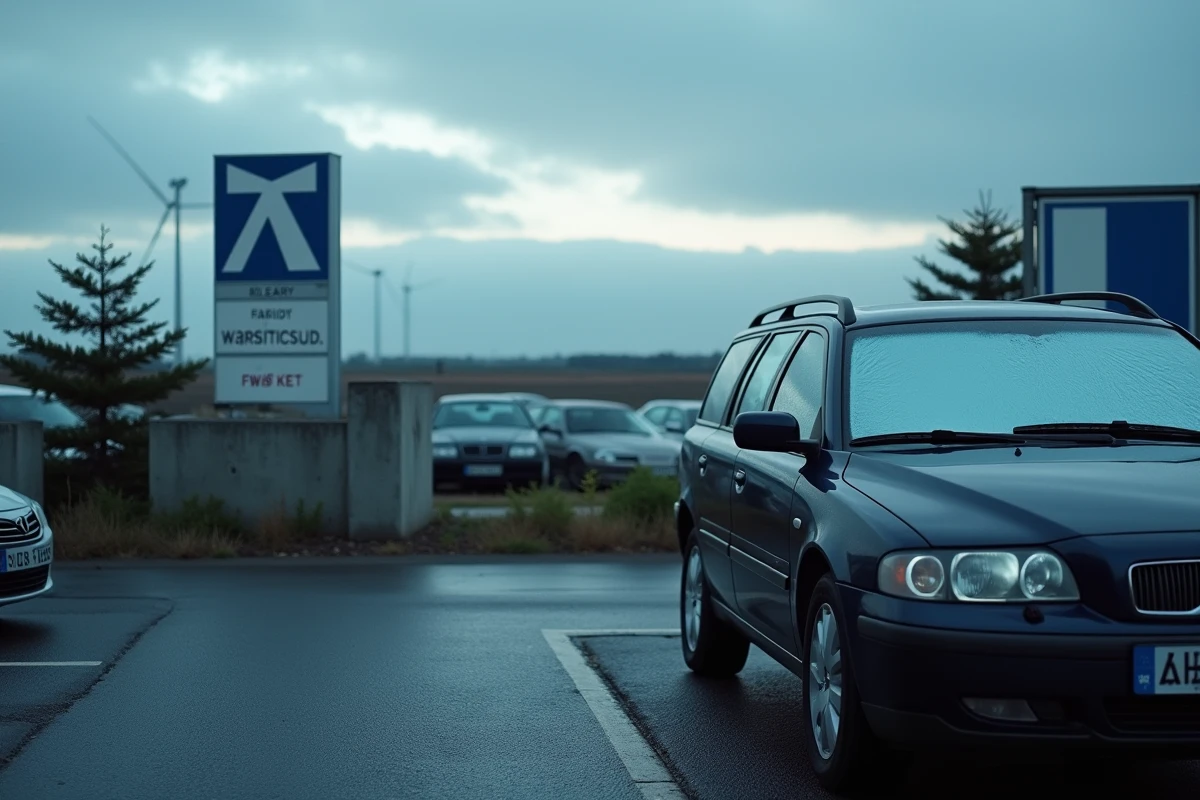
You may have read that sleeping in a rest area is always tolerated. The reality is more nuanced. Targeted checks around service area parking lots and P+R have been reported by travelers on French and Dutch-speaking forums.
These checks primarily aim to verify two things: that the vehicle is compliant (insurance, technical inspection) and that the parking complies with the displayed time limits. In some areas, the maximum parking duration is limited, sometimes to just a few hours.
A point rarely addressed in travel guides: your car insurance may not cover a claim that occurs during a night in the vehicle. Some contracts exclude or limit coverage when the vehicle is used as a sleeping place. The general conditions of several Belgian insurers, updated between 2022 and 2024, contain specific clauses on this subject. Review your contract before you leave.
Tips for Sleeping in Your Car Discreetly
Discretion remains your best asset, whether the municipality allows or tolerates the practice.
- Arrive late and leave early: a vehicle parked between 10 PM and 7 AM attracts less attention than a car set up as early as 6 PM with sunshades deployed
- Keep all your equipment inside the vehicle, without deploying anything outside, to remain within the framework of rest and not camping
- Use discreet curtains or sunshades instead of visible blankets from the outside, which immediately signal a night on board
- Leave the location clean: no waste, no trace of passage, even temporary
The choice of location is as important as behavior. The designated bivouac areas in Wallonia, although primarily intended for hikers, can sometimes offer nearby parking. Inquire at local tourist offices.
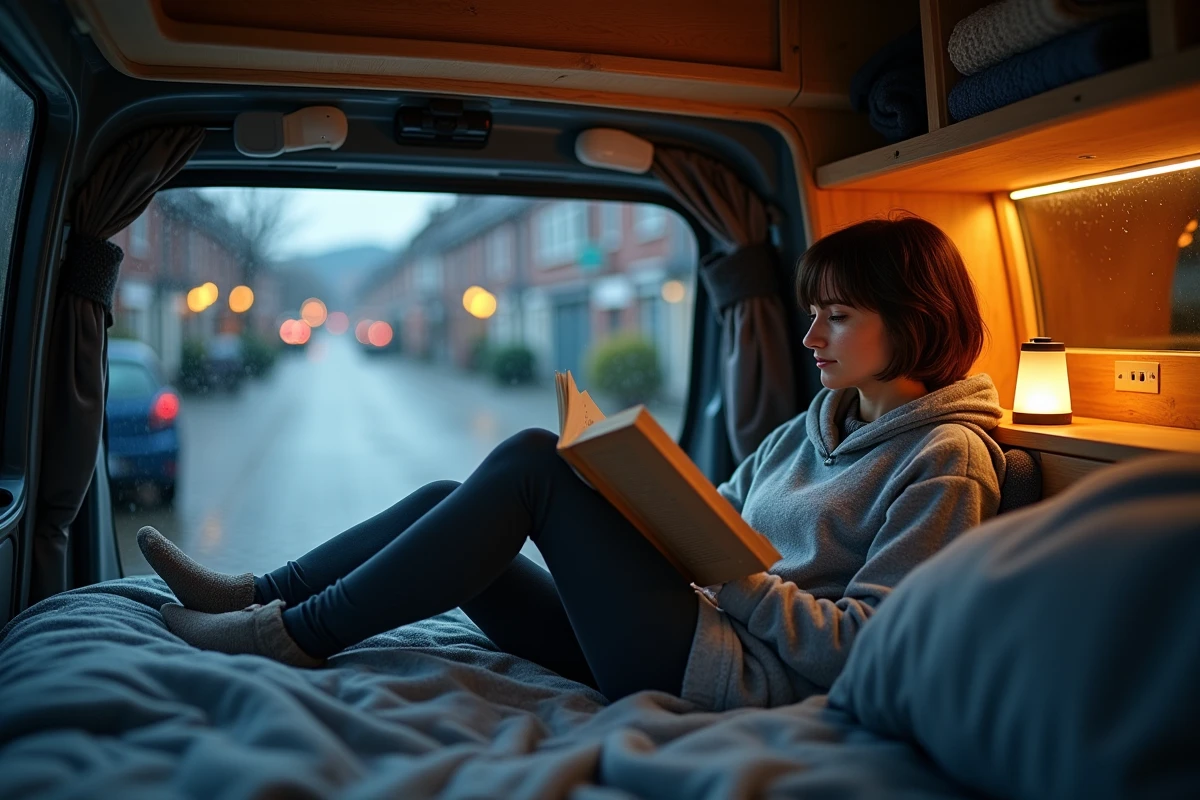
A camper van or a vehicle with tinted windows offers more comfort and discretion than a standard sedan. If you regularly travel in Belgium with the intention of sleeping in your vehicle, the interior setup makes a real difference in the quality of rest and how potential inspectors perceive it.
The line between tolerance and fines often hinges on these practical details. A discreet, clean, and properly parked vehicle almost never poses a problem outside of explicitly prohibited areas. The most reliable approach remains to check each municipality, respect the distinction between rest/camping, and keep in mind that local rules always take precedence over the general framework.