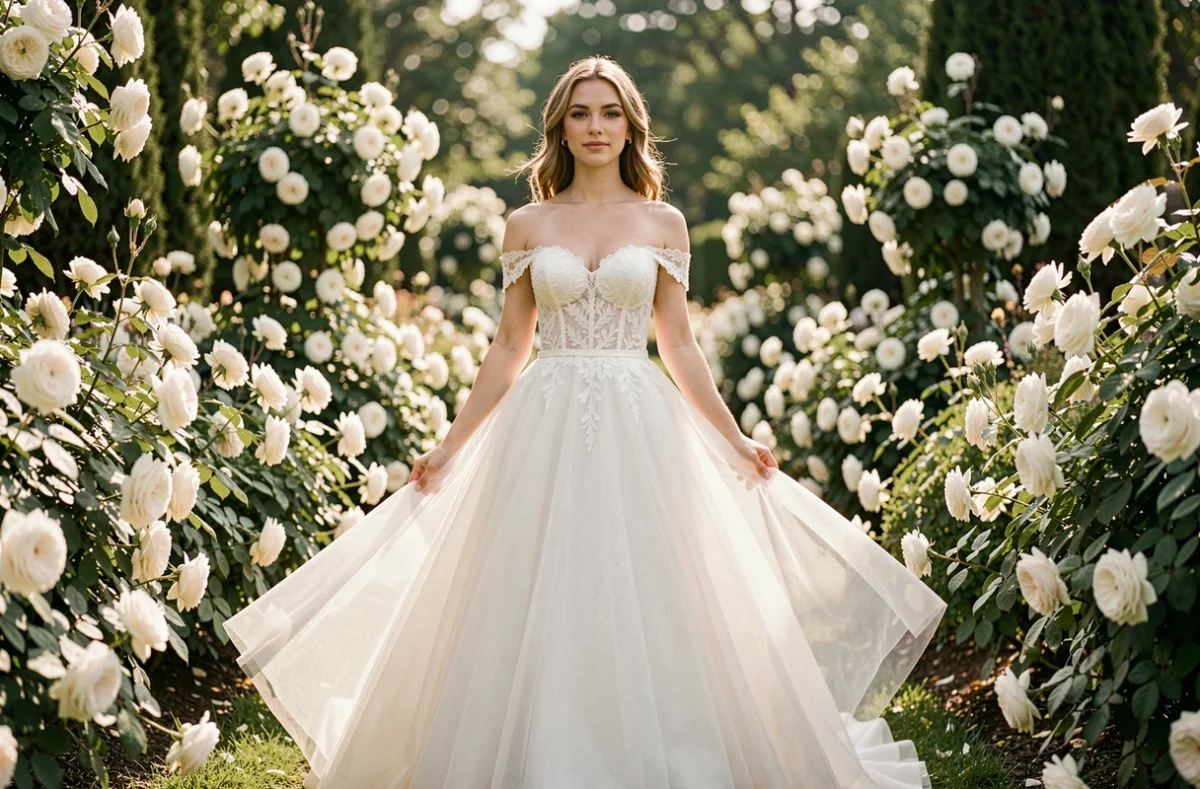
A wedding dress is primarily defined by its cut, fabric, and finishes. These three parameters determine the final silhouette far more than fleeting fashion trends. For the 2026-2027 season, wedding dress trends confirm a dual movement: clean lines inherited from minimalism and a marked return of textured materials such as all-over lace or structured draping.
European directive and eco-responsible mentions on wedding dresses
A concrete regulatory change will modify how designers and boutiques present their collections. The European directive 2024/825, applicable from September 27, 2026, prohibits unverified generic environmental claims on textile products sold in the European Union.
In practice, a wedding dress brand will no longer be able to display vague mentions like “eco-friendly” or “green” without relying on a recognized certification. Terms like “eco-responsible dress” or “sustainable collection” must be supported by verifiable evidence regarding materials, the manufacturing chain, or the garment’s lifecycle.
For future brides, this regulation offers a useful filter. When a boutique or designer claims a sustainable approach, it becomes possible to ask which label or certification this claim is based on. Brands that genuinely work with certified fabrics or audited workshops will have no trouble providing this evidence.
This evolution accompanies an underlying trend: in 2026, the demand for eco-responsible wedding dresses significantly increased, with criteria focusing on sustainable materials, ethical manufacturing, and the possibility of a second life (resale, transformation, rental). It is now possible to access the site Les Mariés de Sylvie to explore collections that meet these contemporary expectations.
Structured draping and minimalist cut: the wedding dress trend that is taking hold
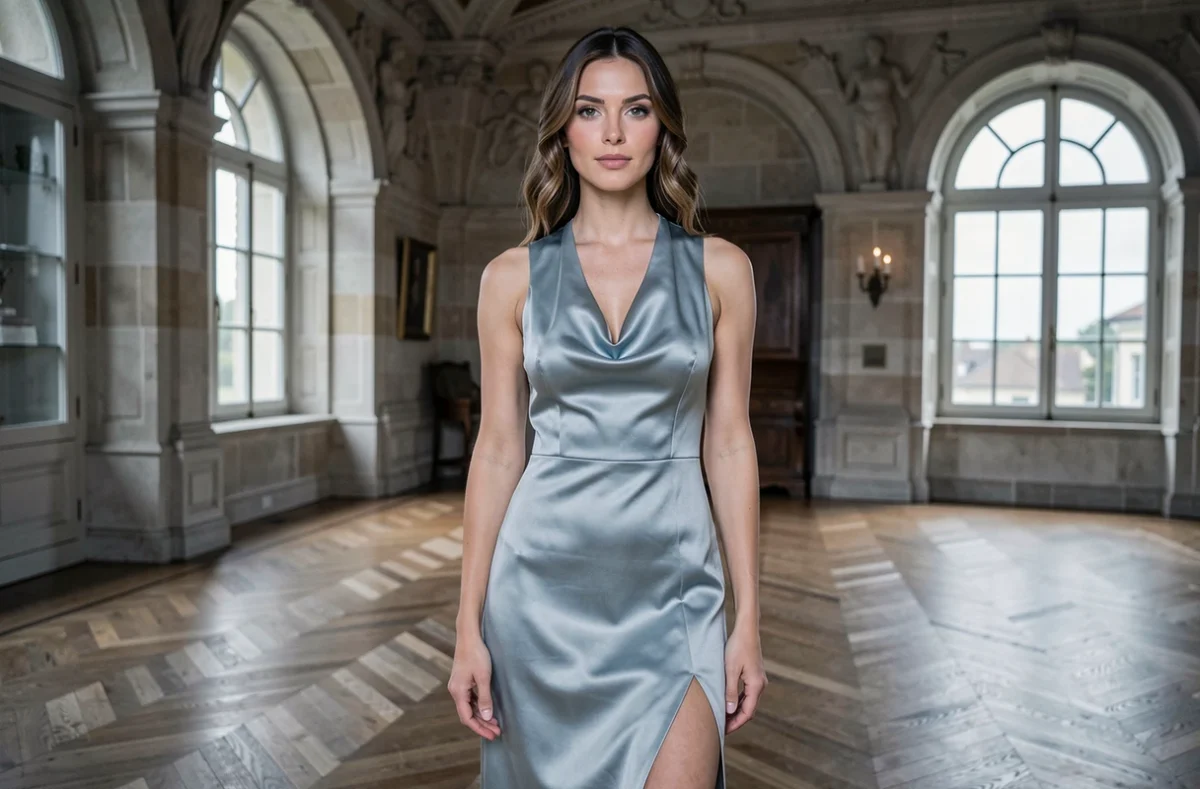
Draping is not a new concept, but the way it is used in 2026-2027 marks a break from the fluid and bohemian versions of previous years. Designers are now working with architectural draping, stretched over the bust, which sculpts the waist without resorting to a rigid corset.
This type of construction relies on heavy-fall fabrics (crepe, mikado, duchess satin) capable of maintaining a sharp fold. The result is a wedding dress with clean lines, without embroidery or ornamentation, where the play of light on the folds replaces decoration.
The minimalist approach accompanying this trend does not mean a lack of craftsmanship. A well-executed draped dress requires precise pattern making and several fittings to adjust the tension of the fabric on the silhouette. Three elements distinguish a successful minimalist cut:
- The fabric holds on its own without visible pins or support ribbons, proof of a pattern adapted to the body shape
- The seams remain invisible or blend into the lines of the draping, without decorative topstitching
- The dress retains its shape in motion, which requires a sufficiently dense fabric weight
Rental and second-hand: a common choice for wedding dresses
Renting a wedding dress is no longer reserved for small budgets. In 2026, renting or buying second-hand is presented as an eco-friendly gesture, with an additional advantage: easier access to high-end designer models that would be out of budget if purchased new.
The mechanism is simple. A dress worn only once retains almost all of its aesthetic value. Specialized platforms offer professional cleaning and adjustment alterations, allowing for a finish comparable to new.
Second-hand also changes the relationship to style. A future bride who buys second-hand can afford a bolder model (all-over lace, imposing train, complex embroidery) without the financial commitment that such a dress at retail price represents. Second-hand widens the range of possibilities in terms of size, cut, and designer.
All-over lace and voluminous details: decoding trendy finishes
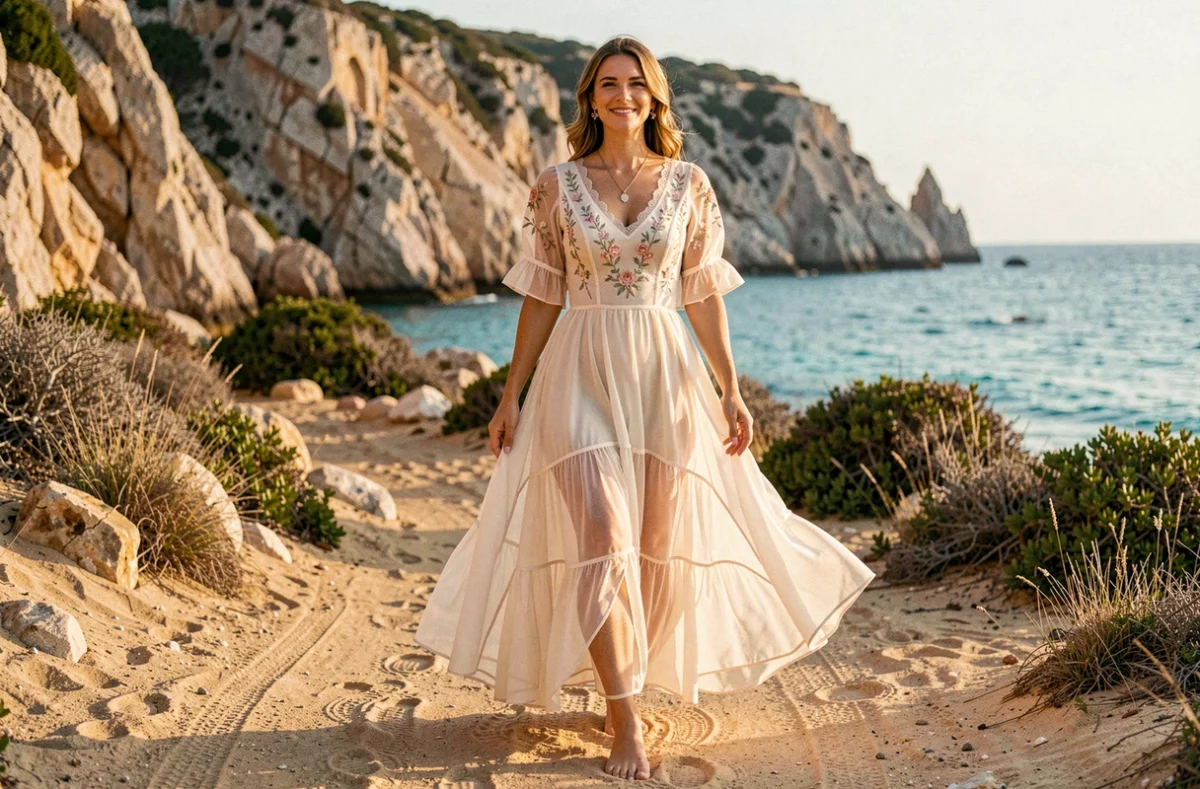
Lace remains the signature material of the wedding dress, but its use is evolving towards a total look. Instead of a panel limited to the bodice or sleeves, lace now covers the entire dress, from the collar to the hem of the train.
This all-over treatment changes the perception of the silhouette. On a straight or mermaid cut, lace creates a second-skin effect. On a princess cut, it adds texture without weighing down the volume of the skirt. The choice of pattern (floral, geometric, openwork guipure) radically influences the final style.
Alongside lace, voluminous details are gaining ground:
- Three-dimensional flowers, either appliquéd or hand-painted, add relief without resorting to traditional embroidery
- Oversized bows, placed at the back or at the waist, replace the veil as a sculptural element
- Feathers, used sparingly on sleeves or the neckline, introduce movement with every step
These finishes work best when concentrated in a single area of the dress. Multiplying voluminous details on the same model dilutes their effect and complicates later alterations.
The choice of a wedding dress benefits from being approached as a question of textile construction rather than pure trend. A well-patterned cut in a fabric suitable for the body shape will transcend fashions.
The details (lace, draping, volume) then serve to personalize the silhouette, provided they remain coherent with each other. The European regulation on environmental claims, effective from September 2026, adds a concrete selection criterion for brides concerned about the origin and manufacturing of their outfit.