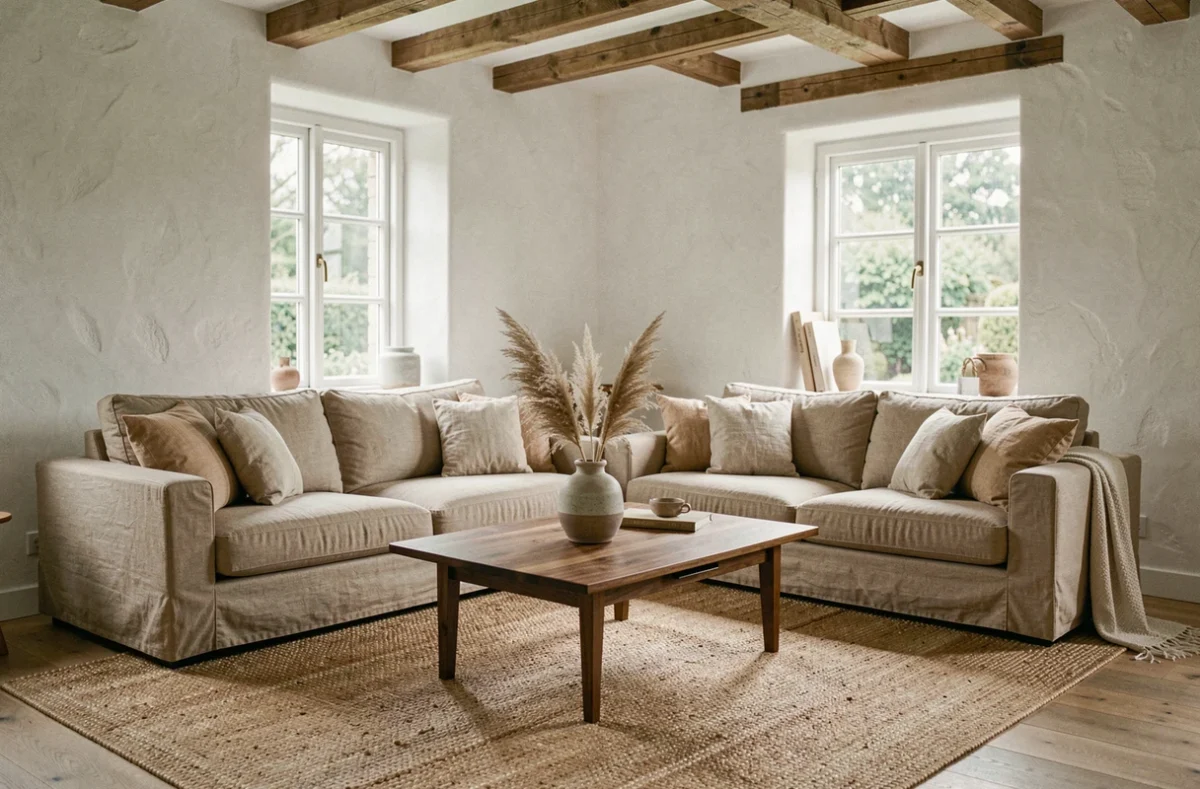
The interior decoration market produces thousands of images each season, but the lasting decor inspirations share a common point: they solve a technical constraint of the housing before addressing an aesthetic taste. Volumes, natural light, acoustics, nature of wall supports – these parameters dictate choices far more than the visual trends spread on social media.
Reuse and traceability of materials in interior decoration
The reuse of decorative elements and furniture is no longer just opportunistic DIY. Reuse guidelines now recommend documenting the assembly, exact reference, and usage conditions of each recovered element. This rigor transforms the approach into a true project methodology.
In practice, we observe that professionals who integrate reuse into their design projects treat each piece as a technical lot: origin location, structural condition, compatibility with current standards. An old solid oak floor cannot be laid without checking its residual moisture content and the flatness of the substrate.
This approach changes the very nature of decor inspiration. Instead of starting from an image to look for a new product, one starts from an available material to design the layout around it. The result is often more unique than an interior assembled from a catalog, because the constraint of the existing material forces associations that no one would have drawn on a mood board.
By browsing decor inspirations on Madmoizl Déco, one can spot projects that mix vintage pieces and contemporary elements with a coherence that numbered idea lists struggle to convey.
Custom furniture: going beyond the high-end option
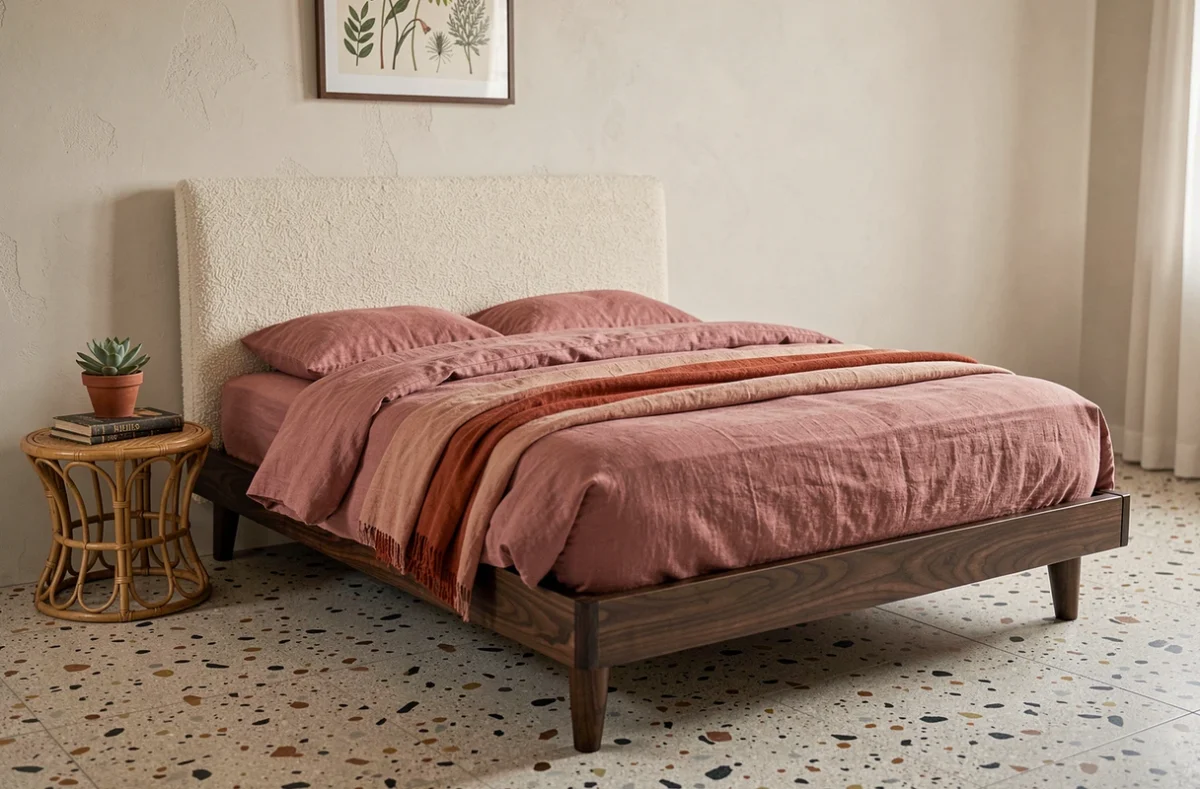
Custom solutions are becoming commonplace as a sustainable option in decoration projects, and it is no longer reserved for high budgets. The reason is technical: a piece of furniture designed for a specific space optimizes every useful centimeter, whereas a standard piece leaves dead zones that accumulate dust and frustration.
We recommend considering custom solutions primarily in three situations:
- Rooms with atypical dimensions (under sloping ceilings, alcoves, narrow corridors) where no standard furniture fits without visual or functional compromise
- Multifunctional spaces where a single element must provide storage, separation, and work surface
- Kitchens and bathrooms, technical spaces where ergonomics take precedence over decorative aesthetics
A common mistake is to order custom furniture to exactly replicate a model seen online. Custom makes sense only if it meets the real constraints of the housing: ceiling height, position of outlets, natural circulation in the room.
Verifiable durability of decorative materials: beyond appearance
The choice of a durable material is based on verifiable criteria, not on a visual impression. Recent trends highlight certified or recycled wood, recycled metals, water-based finishes, and low volatile organic compound paints.
Professionals recommend checking the origin, reparability, availability of spare parts, and warranty. A recycled wood table top that degrades in two years is not durable. A piece of furniture whose manufacturer provides replacement parts for a decade is.
Checkpoints before purchase
- Wood certification (responsible forest management) or proof of recycling
- Type of finish: water-based varnishes and paints emit fewer volatile compounds than solvent-based versions
- Confirmed availability of spare parts (hinges, handles, legs) from the manufacturer
- Structural warranty distinct from the standard commercial warranty
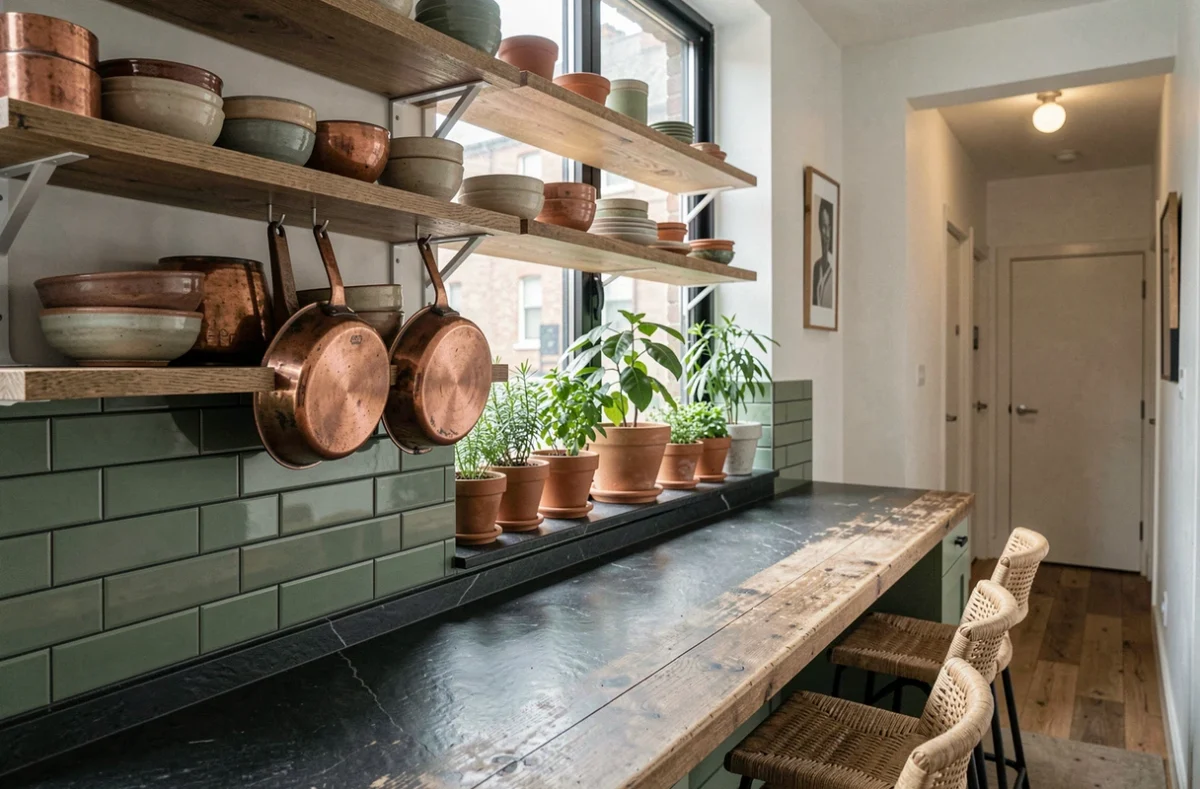
This filter eliminates a significant portion of furniture and decorative accessories sold as “eco-friendly” solely based on their raw or natural appearance. A material is not durable because it looks natural, but because its production chain and life cycle confirm it.
Common pitfalls of online decor inspirations
Some widely circulated inspirations pose concrete problems once transposed into a real home. Marble used as a kitchen countertop is a striking example: a porous and relatively soft material, it is prone to stains, scratches, and everyday acidic attacks. Decorators regularly alert to this gap between image and use.
The same discrepancy exists with colors. A wall color photographed under professional lighting changes radically under a cold temperature LED ceiling light. We recommend systematically testing a paint sample on the concerned wall, observing it at different times of the day and under the actual artificial lighting of the room.
Materials to evaluate before adoption
Polished concrete floors look appealing in photos, but their maintenance requires specific products and regular waterproofing treatment. Unvarnished brass tarnishes within weeks in a humid bathroom. Untreated linen on a family sofa seat shows marks after the first use.
Every decorative choice involves a trade-off between visual rendering and maintenance constraints. The best inspirations incorporate this data from the design stage, not after delivery.
Transforming an interior with style does not rely on the accumulation of ideas gathered online. It is based on a technical understanding of one’s space, the choice of materials with documented durability, and the ability to adapt an inspiration to the real conditions of the housing. A successful decor project is recognized less by its conformity to a trend than by its longevity.