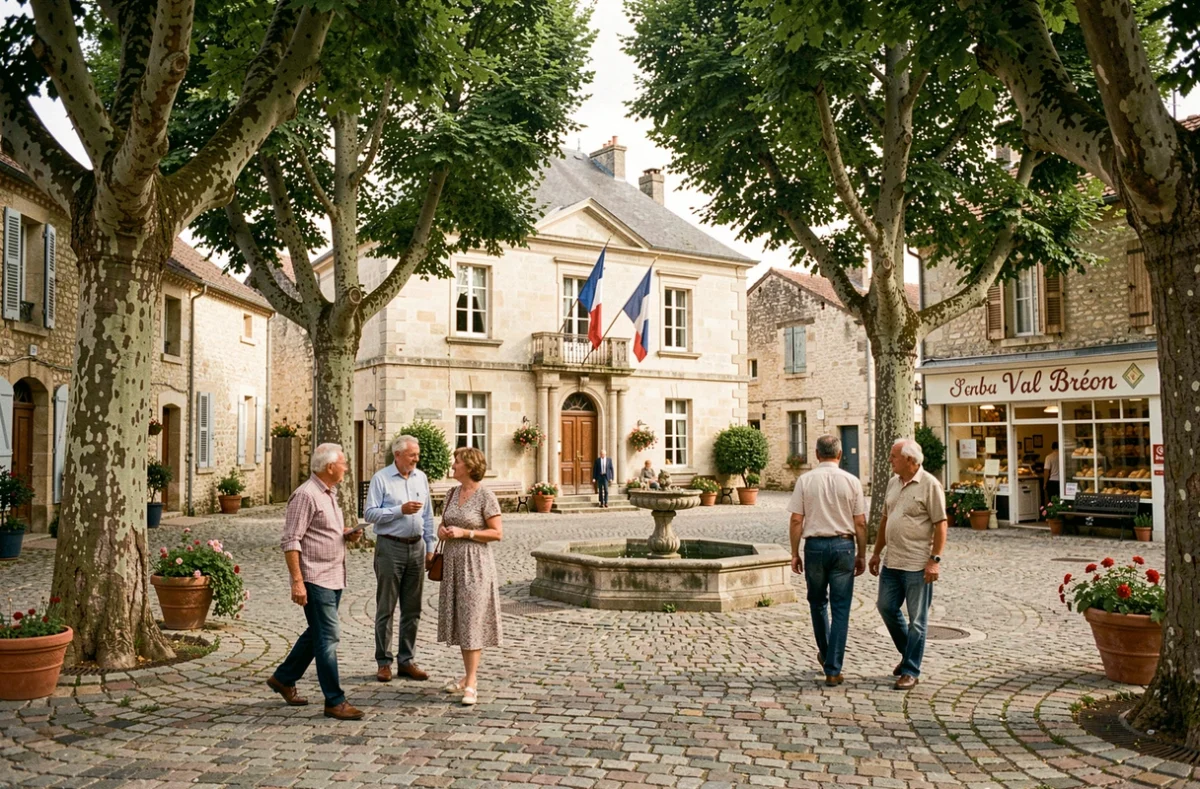
The Val Bréon area refers to an economic activity zone and a living area located in Seine-et-Marne, within the Community of Communes of Val Briard. This sector, primarily situated in the municipality of Chapelles-Bourbon, combines a historic logistical vocation with a still very present rural Briard setting. Understanding this territory requires distinguishing the ZAC (concerted development zone) from the broader intercommunal fabric surrounding it.
ZAC of Val Bréon and land extension: what the project entails
The ZAC of Val Bréon constitutes the economic core of the territory. A first phase, Val Bréon 1, has structured a logistics park that attracts regional and national operators. The extension, designated Val Bréon 2, is the subject of a strategic opportunity study led by Aménagement 77 and Grand Paris Aménagement.
The central issue of this extension is based on a principle of land sobriety: more than half of the operational areas would remain designated for agricultural use. The Regional Master Plan for Île-de-France Environmental (SDRIF-E) frames this approach by requiring a reasoned management of land and the preservation of natural functions.
A technical point deserves attention. The urbanization of certain lands purchased by the Community of Communes remains conditioned, within the framework of the SDRIF, on the realization of an RER station on line E. However, this station does not appear in the confirmed programs of SNCF and Île-de-France Mobilités. The territorial approach logic thus incorporates this future station as a potential multimodal hub, but its realization remains uncertain.
Detailed information on governance and ongoing projects is available on valbreon.fr, which centralizes data related to the territory and its developments.
Living environment in Val Briard: between Briard rurality and proximity to Île-de-France
Val Bréon is part of an intercommunal set grouping 21 municipalities since the merger in 2017. The population is around 30,000 inhabitants, spread across villages with a similar profile: a historical heart extended by residential areas.
Fontenay-Trésigny and Rozay-en-Brie concentrate most of the essential structuring services (swimming pool, gyms, colleges, high school, cultural hall). The other municipalities offer a more rural setting, with a predominance of fields and forests typical of Brie.
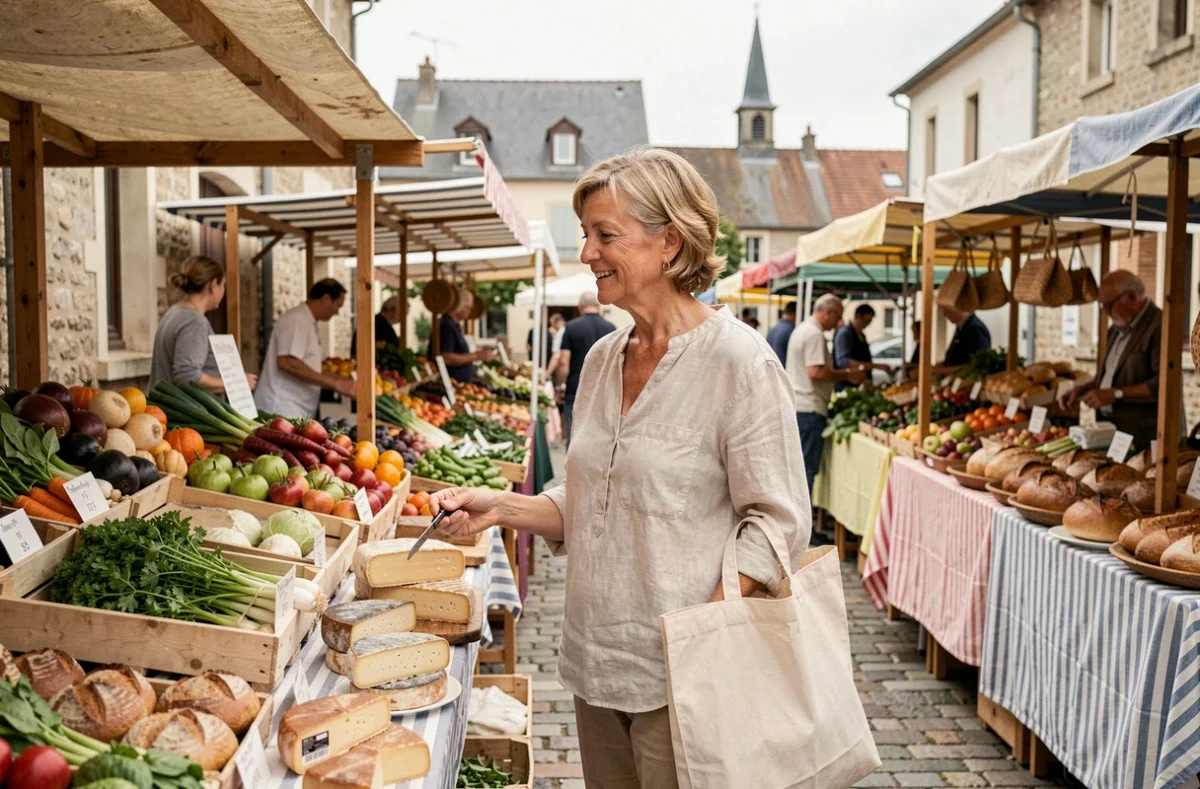
This geographical positioning creates a productive tension: the territory is at the gates of major attraction poles (Paris, Disneyland Paris, Villages Nature, Lumigny Safari Reserve) while maintaining a marked agricultural character. The presence of numerous local producers nourishes a terroir identity to which residents remain attached.
Landscape integration and biodiversity in development projects
The territorial study conducted by BN Architectures for the extension of the logistics park sets specific environmental objectives:
- Enhance the site’s biodiversity, currently deemed limited, through the planting of various and local species of all sizes, in connection with the surrounding natural spaces
- Manage wastewater and rainwater on the surface to create landscape, combat heat islands, and conserve drinking water
- Protect the village of Chapelles-Bourbon from visual and noise nuisances related to traffic routes and logistics activities
The extension should create service, housing, and leisure polarities connected by soft transport routes, in landscaped spaces. This approach goes beyond the simple installation of warehouses to aim for mixed development.
Local news and cultural dynamics of the territory
Beyond urban planning projects, the Val Bréon territory and Val Briard more broadly maintain an active local life, less visible in discussions about land development.
Autumn Fair 2026 in Chapelles-Bourbon
The Autumn Fair of Val Briard is announced for October 3 and 4, 2026, at the Jean-Jacques Barbaux community farm in Chapelles-Bourbon. The program is dedicated to gastronomy, craftsmanship, and culture. This event illustrates the desire to promote the Briard terroir and local producers, a focus that the intercommunal authority has been developing for several years.
Women entrepreneurship and regional competition
The intercommunal authority will relay in 2026 the competition “Créatrices d’Avenir,” a regional initiative aimed at promoting the projects and paths of women entrepreneurs. This economic and social aspect reflects a local fabric that is not limited to logistics.
Rural heritage and hiking
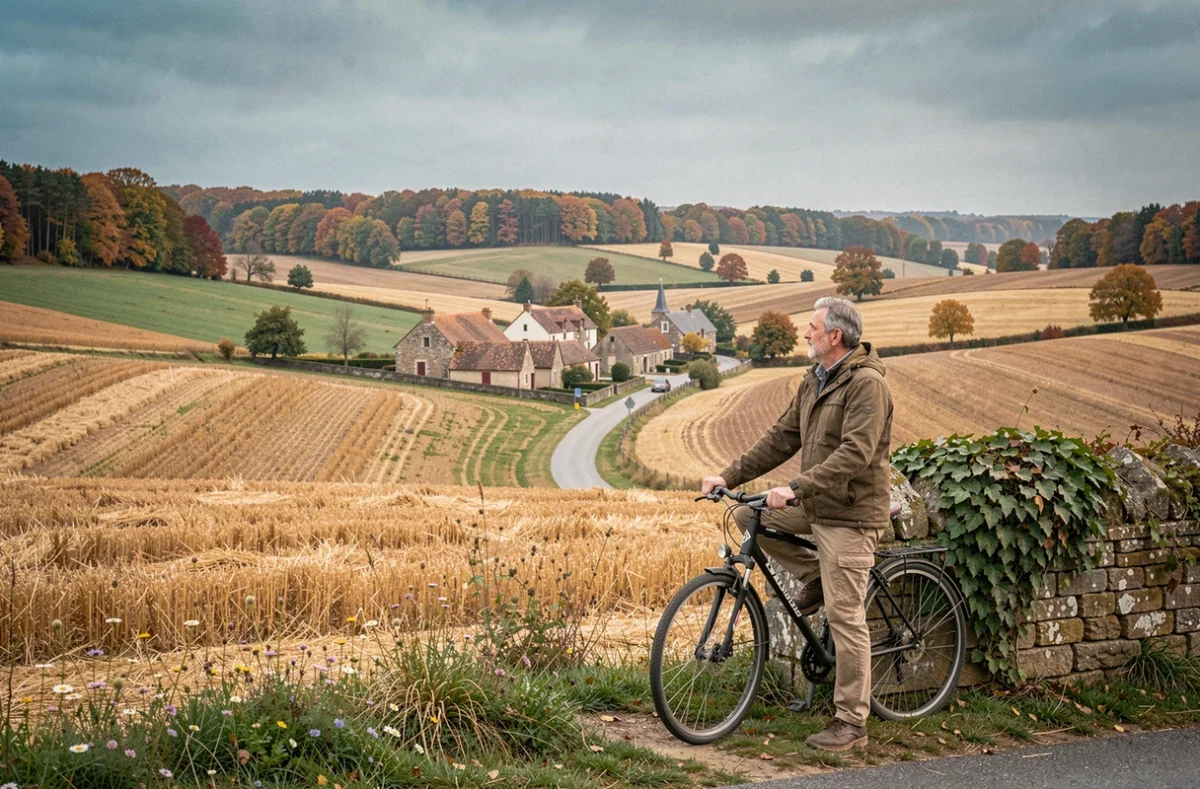
The territory is part of a cultural enhancement dynamic at the Briard scale. Heritage hikes organized by the Île-de-France Region highlight the landscapes, villages, and rural buildings of Brie. This initiative continued during the European Heritage Days 2026, confirming a growing interest in local heritage.
Environmental issues and controversies surrounding Val Bréon
The development of the territory is not unanimous. France Nature Environnement Seine-et-Marne has raised several objections regarding the purchase of agricultural land by the Community of Communes. The association points out that urbanization remains subordinate to the construction of an unprogrammed RER station, which makes the land investment premature according to them.
The criticism also concerns compliance with the SDRIF prescriptions: the lands in question are marked as “yellow dots,” indicating conditional urbanization. Without the station, the condition is not met, and the purchase opens the door to speculation on the surrounding agricultural lands according to FNE 77.
This tension between economic development and the preservation of agricultural land constitutes the structuring debate of the territory for the coming years. The sober approach claimed by developers will be judged on its ability to genuinely maintain a majority of agricultural areas while meeting the economic land needs of Seine-et-Marne.
The Val Bréon territory remains a representative case study of the trade-offs in Île-de-France between logistical pressure and rural preservation. The next decisive step will largely depend on the railway schedule of the RER line E.